All Categories
Featured

Preparing Commercial Portfolios for 2026 ESG Standards
Table of Contents
Active implementation of Oregon's program started in 2025, while the state law also dealt with legal challenges that will continue well into 2026. Businesses operating in or offering into states with brand-new or predicted packaging EPR laws will require to keep an eye on these developments, including the Oregon lawsuits, which might have ramifications for other states' programs.
Closely tied to EPR are mandates for minimum recycled content that require specific percentages of recycled materials in product packaging, especially plastic product packaging, by certain dates. Such requireds are on the increase, including in numerous U.S. states and under the EU's PPWR, which will largely go into effect on August 12, 2026.
Circular economy advancements such as these will continue to challenge organizations to go beyond fundamental compliance and shift towards crucial technique advancement to develop operational durability. The large volume of required ESG information management and analysis has outmatched handbook processing and basic spreadsheets for numerous business. In 2026, leading legal and sustainability groups are adopting or preparing to adopt agentic AI systems to manage compliance and automate XBRL tagging for digital filings.
Preparing Commercial Portfolios for 2026 ESG Benchmarks
: Monitoring AI tools utilized in the "social" pillar (such as employing or provider choice) to ensure they do not duplicate historic biases, which could set off disparate effect claims.: Using AI to determine and assess ESG and sustainability marketing claims and cross-reference them versus suitable requirements and real-time supply chain information to avoid greenwashing claims.
More normally, businesses will continue to be challenged to demonstrate strong AI governance through unified governance architectures. This publication is planned for general informational purposes only and does not make up legal advice or a solicitation to supply legal services. The details in this publication is not meant to create, and receipt of it does not constitute, a lawyer-client relationship.
The views and opinions expressed herein represent those of the specific author(s) only and are not always the views of Clark Hill PLC or Clark Hill Solicitors LLP. We attempt to make sure that postings on our website are total, accurate, and up to date, we presume no obligation for their completeness, accuracy, or timeliness.
What does the future of landscaping appearance like when water can no longer be considered given? As water deficiency continues to form California's landscapes, the way we design, plant and develop requirements to progress. At FutureScape U.S.A., join our panel for Waterwise by Style: Rethinking Gardens for the Future Climate, a discussion checking out how we can produce gorgeous, resilient landscapes while using substantially less water, or even none at all.
Commercial Landscaping South GateWhy the 2026 ESG Greenspace Benchmarks Matter
Hear from Kevin Hauschel, Ashkan Nochian, Stephanie Barton and Karen Larson, with Pro Landscaper USA Deputy Editor Edward Brown leading the discussion. September 1, 2026 1:00 PM Barker Garage, Santa Monica The environment is altering. How we develop for it has to alter too. Register for your complimentary FutureScape USA ticket today: .
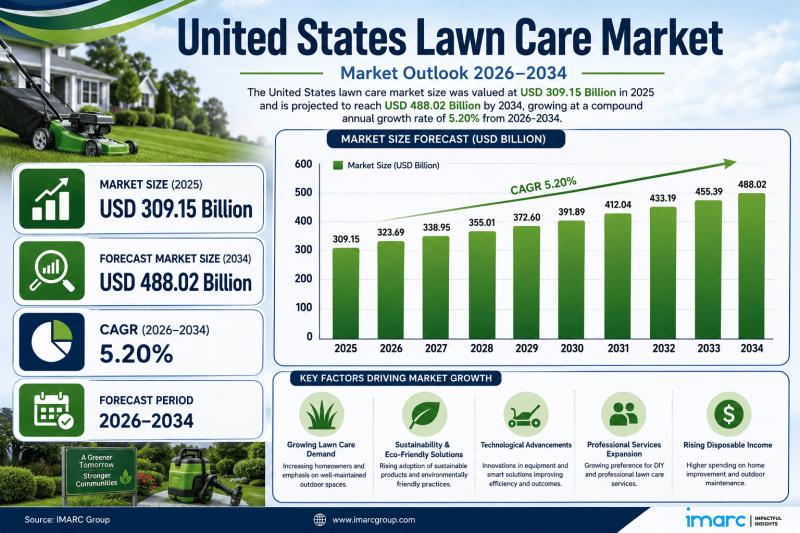
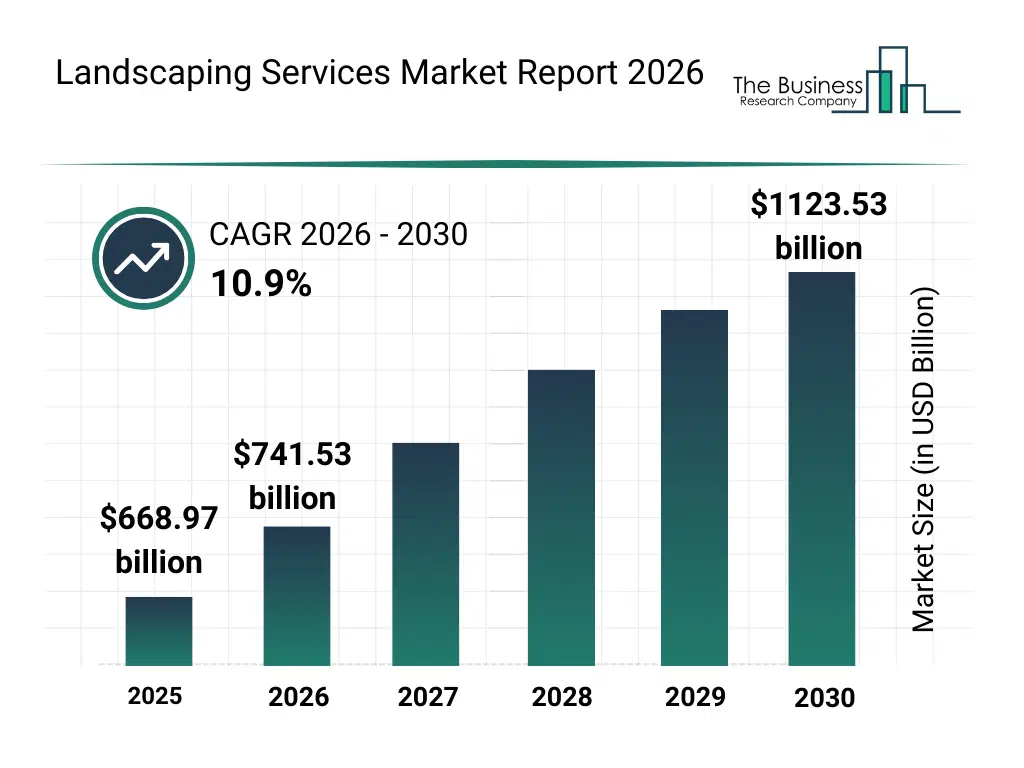
The Landscaping Solutions market in the United States operates under the NAICS industry code 56173. This market mostly provides landscape care and upkeep services, including planting trees, shrubs, flowers, lawns or gardens. Industry companies may likewise design landscape strategies or construct sidewalks, keeping walls, decks, fences, ponds and similar structures.
Associated terms covered in the Landscaping Providers industry in the United States include lawn service, shrub service, tree service, outsource, arborist, pesticide, herbicide, mulch and fertilizer. Products and services covered in Landscaping Solutions market in the United States consist of Maintenance and general services, business, Upkeep and basic services, property and Design-build-installation services.
How Water-Wise Landscapes Improve CRE ESG Ratings
The Performance chapter covers in-depth analysis, datasets, comprehensive existing performance, sources of volatility and an outlook with projections for the Landscaping Providers industry in the United States. Questions addressed in this chapter include what's driving present industry efficiency, what affects industry volatility, how do successful companies conquer volatility, what's driving the market outlook.
The Products and Markets chapter covers comprehensive services and products segmentation and analysis of major markets for the for the Landscaping Providers market in the United States. Concerns addressed in this chapter consist of how are the market's product or services performing, what are developments in market product or services, what services or products do successful businesses offer and what's influencing need from the market's markets.

Latest Posts

Exceeding Sustainability Compliance for SoCal

Maximizing Irrigation Efficiency With SoCal Landscape Upgrades

Implementing Drought-Resistant Greenspace in Los Angeles